Cultural perspectives on gambling Understanding diverse attitudes and rituals
Historical Context of Gambling
Gambling has a long and intricate history that reflects the diverse cultures of the world. From ancient civilizations to modern societies, various forms of gambling have been practiced, often intertwined with cultural rituals and societal norms. In ancient China, for instance, gambling was often associated with fortune-telling and divination, while in Rome, games of chance were a popular form of entertainment in public spaces. Understanding this historical context helps us appreciate how gambling evolved and its varying significance in different cultures, including the rise of online casinos.
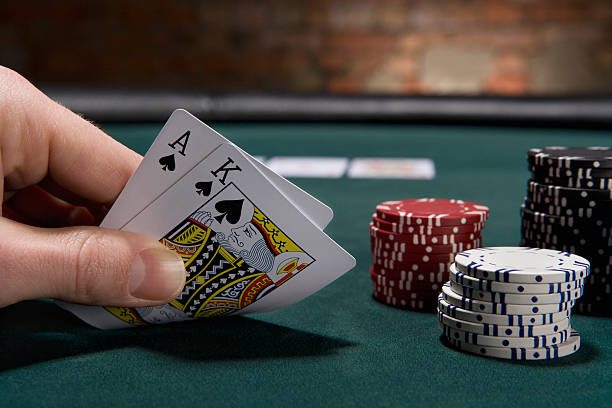
Moreover, the perception of gambling has transformed over time. In some cultures, it has been embraced as a social activity, promoting community bonding and entertainment, while in others, it has been viewed as a vice or a moral failing. This dichotomy is crucial in shaping current attitudes towards gambling, influencing both its acceptance and regulations within societies.
Religious Views on Gambling
Different religions offer distinct perspectives on gambling, often reflecting broader attitudes towards luck, chance, and morality. For instance, in Islam, gambling is considered haram, or forbidden, due to its association with risk and potential harm. In contrast, some branches of Christianity may allow for certain forms of gambling, viewing it as a harmless pastime if approached with moderation. These religious teachings profoundly affect individual and communal attitudes towards gambling practices.
Additionally, Hinduism encompasses a complex relationship with gambling, as certain festivals celebrate games of chance. This reveals how cultural rituals can coexist with religious beliefs, allowing for a nuanced understanding of gambling’s role in society. The clash between religious doctrines and cultural practices often leads to dynamic discussions regarding the ethics and acceptability of gambling in various communities.
Modern Attitudes towards Gambling
Today, gambling is often seen through the lens of economic opportunity and entertainment. Many cultures have embraced regulated gambling as a way to boost tourism and local economies. Countries like Las Vegas in the United States or Macau in China have developed entire economies around gambling, showcasing its significant cultural impact. However, this commercialization has also led to growing concerns about addiction and social consequences, sparking debates on responsible gambling practices.
In recent years, attitudes have shifted towards recognizing gambling as a form of entertainment rather than a taboo. This transformation has given rise to new practices, including online gambling, which cater to diverse audiences. As more people engage with gambling in various forms, understanding cultural attitudes becomes essential to navigate the complexities of modern society.
Cultural Rituals and Gambling Practices
Cultural rituals surrounding gambling can be both fascinating and revealing. In many indigenous cultures, gambling activities are integrated into ceremonial practices, reinforcing community ties and cultural identity. For example, the Native American Pow-Wow often includes games of chance that celebrate tradition and heritage while also providing economic opportunities for the community.
Similarly, festivals in various countries often incorporate games and contests that reflect local customs and beliefs about luck and fate. These rituals highlight how gambling transcends mere chance, becoming a means of cultural expression and identity reinforcement. Understanding these practices helps illuminate the broader significance of gambling beyond its economic implications.
Conclusion and Insights on Cultural Perspectives
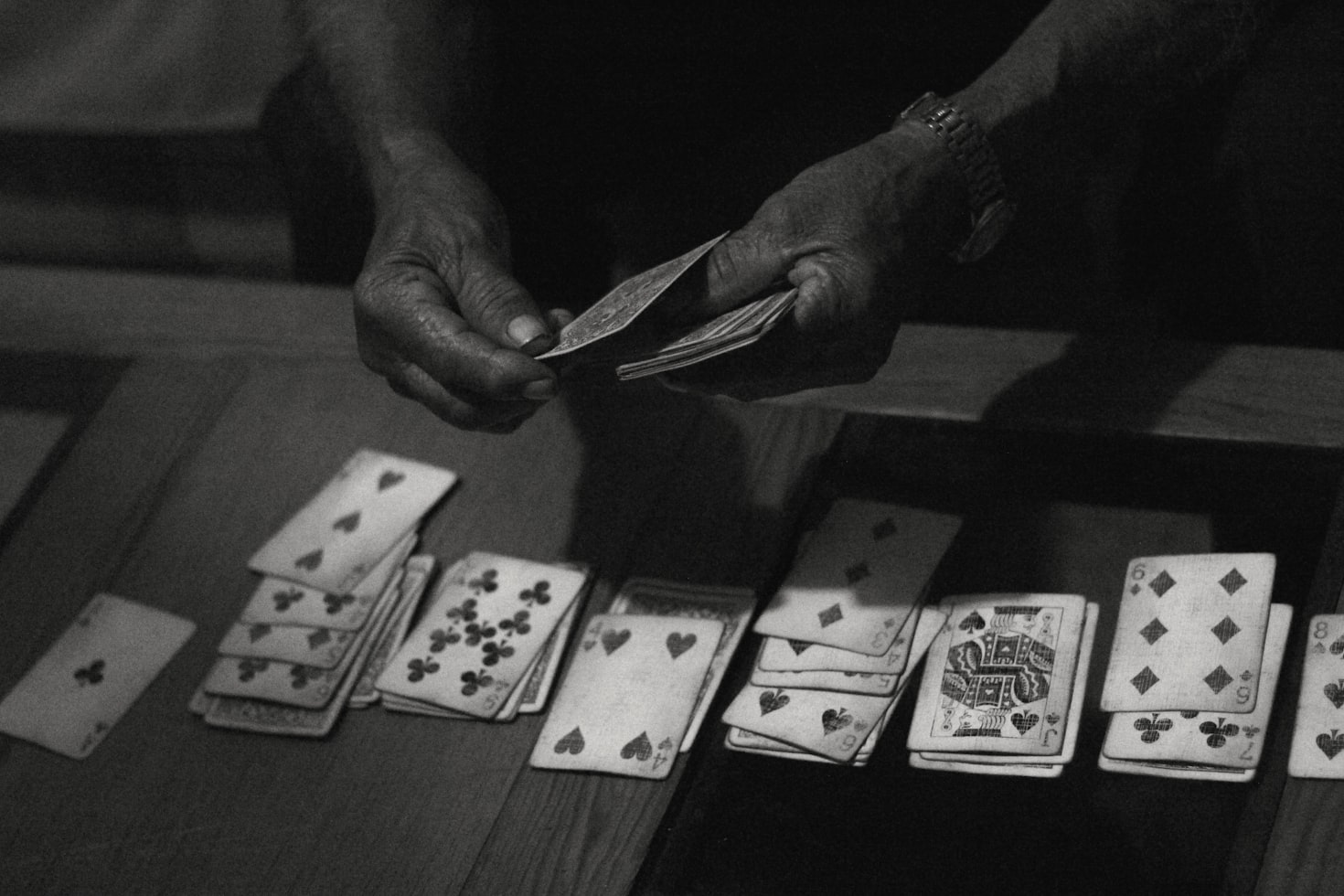
Exploring cultural perspectives on gambling reveals a complex interplay of history, religion, modern attitudes, and rituals. It is clear that gambling is not merely an isolated activity but rather a reflection of societal values and beliefs. By examining these diverse attitudes, we gain insight into how cultures navigate the balance between enjoyment and the potential risks associated with gambling.
As we continue to engage with this multifaceted subject, platforms dedicated to understanding these nuances are invaluable. Our website aims to provide a space for informed discussions and insights into cultural attitudes towards gambling, helping individuals appreciate the rich tapestry of rituals and perspectives that define this age-old practice.